

- Introduction
- What Is a High-Performance Website in 2026?
- Why Website Speed Matters for SEO and Conversions
- Core Web Vitals: The Metrics That Define Performance
- Performance-First Website Architecture
- Clean Code Practices That Improve Load Time
- Image, Font, and Asset Optimization
- JavaScript & CSS Optimization Strategies
- Hosting, CDN, and Server Optimization
- Mobile Performance Optimization
- Tools to Measure Website Performance
- Final Checklist: Does Your Website Load Under 2 Seconds?
- FAQs

- Introduction
- What Is a High-Performance Website in 2026?
- Why Website Speed Matters for SEO and Conversions
- Core Web Vitals: The Metrics That Define Performance
- Performance-First Website Architecture
- Clean Code Practices That Improve Load Time
- Image, Font, and Asset Optimization
- JavaScript & CSS Optimization Strategies
- Hosting, CDN, and Server Optimization
- Mobile Performance Optimization
- Tools to Measure Website Performance
- Final Checklist: Does Your Website Load Under 2 Seconds?
- FAQs
Introduction
In 2026, High Performance Website Development is no longer a technical luxury — it is a core business requirement. Users expect websites to load instantly, and Google rewards only those sites that deliver exceptional speed and performance across all devices.
Any website that takes more than 2 seconds to load starts losing traffic, search rankings, and conversions. High-performance websites don’t happen by accident; they are the outcome of strategic high performance website development practices, clean code architecture, optimized assets, and performance-first engineering decisions.
This guide explains how high performance website development enables websites to load in under 2 seconds, the exact strategies used by modern development teams like Techno Deviser, and what truly separates fast, scalable websites from slow, outdated ones.
What Is a High-Performance Website in 2026?
A high-performance website is one that:
- Loads in under 2 seconds on mobile
- Passes Google Core Web Vitals
- Responds instantly to user interactions
- Maintains speed even under traffic spikes
- Delivers smooth UX without delays
Performance is not about a single factor. It is the result of architecture, code quality, server setup, and content optimization working together.
Why Website Speed Matters for SEO and Conversions
Google’s algorithms now prioritize user experience signals. Speed directly impacts:
- Search rankings
- Bounce rate
- Engagement time
- Conversion rates
- Brand trust
Studies consistently show that even a 1-second delay can reduce conversions by 20–30%. In competitive industries, slow websites simply don’t survive.
In AI-driven search results, Google prefers websites that deliver fast, reliable answers, making speed a critical part of visibility.
Core Web Vitals: The Metrics That Define Performance
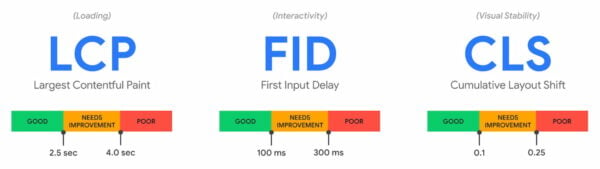
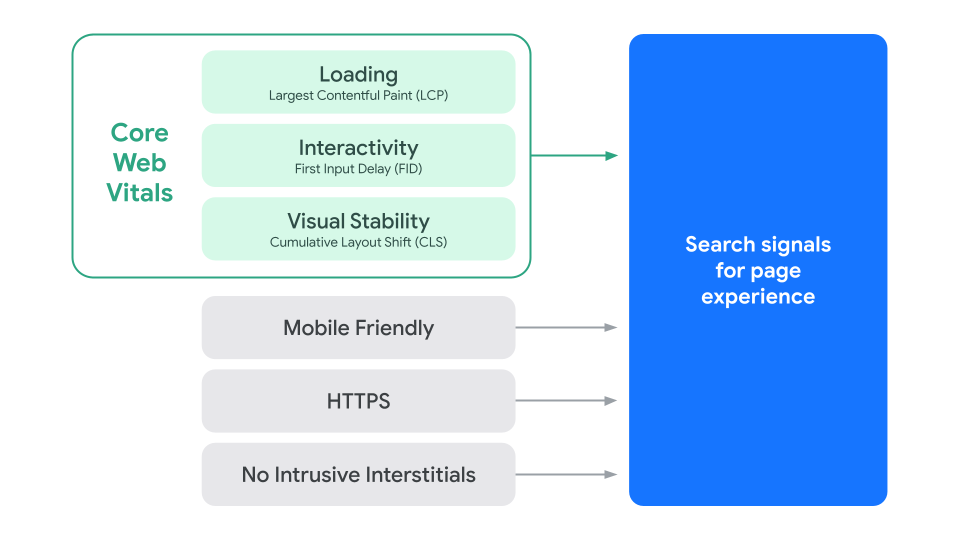
To load under 2 seconds, a website must meet Google’s Core Web Vitals benchmarks:
Largest Contentful Paint (LCP)
- Measures how fast the main content loads
- Target: Under 2.5 seconds
Interaction to Next Paint (INP)
- Measures responsiveness
- Target: Under 200 ms
Cumulative Layout Shift (CLS)
- Measures visual stability
- Target: Near 0
High-performance websites are built around these metrics, not optimized for them later.
Performance-First Website Architecture
Speed starts with architecture.
A high-performance website uses:
- Shallow page hierarchy
- Optimized internal linking
- Minimal redirects
- Server-side rendering where needed
- Clean URL structure
Bloated architectures with excessive plugins, scripts, or page builders almost always fail to meet performance standards.
Clean Code Practices That Improve Load Time
Code quality directly affects speed.
High-performance development includes:
- Semantic HTML5
- Minimal DOM size
- Optimized CSS delivery
- Deferred non-critical scripts
- Removal of unused libraries
Every unnecessary line of code adds load time. Fast websites are engineered, not decorated.
Image, Font, and Asset Optimization
Images are often the largest performance bottleneck.
Best practices include:
- Modern formats (WebP, AVIF)
- Responsive image sizing
- Lazy loading below-the-fold content
- Optimized font loading
- Limiting custom fonts
Proper asset optimization alone can reduce load time by 40–60%.
JavaScript & CSS Optimization Strategies
JavaScript is one of the biggest causes of slow websites.
High-performance strategies include:
- Code splitting
- Eliminating render-blocking scripts
- Async and defer loading
- Minimizing third-party scripts
- Critical CSS implementation
A fast website uses JavaScript only where it adds real value.
Hosting, CDN, and Server Optimization
Even a perfect code fails on poor hosting.
Performance-focused infrastructure includes:
- High-performance servers
- HTTP/2 or HTTP/3
- Global CDN distribution
- Server-side caching
- Optimized database queries
Your hosting environment is not a cost — it’s a performance investment.
Mobile Performance Optimization
Google indexes mobile first. If your mobile site is slow, your rankings will suffer.
Mobile optimization includes:
- Touch-friendly UI
- Reduced payload size
- Optimized viewport rendering
- Mobile-specific performance testing
High-performance websites are built mobile-first, not adapted later.
Tools to Measure Website Performance
To maintain sub-2-second load times, regular testing is essential.
Recommended tools:
- Google PageSpeed Insights
- Lighthouse
- GTmetrix
- WebPageTest
- Chrome DevTools
Performance optimization is ongoing, not one-time.
Final Checklist: Does Your Website Load Under 2 Seconds?
Use this checklist:
- LCP under 2.5 seconds
- INP under 200 ms
- CLS close to zero
- Optimized images and fonts
- Minimal JavaScript
- Fast hosting and CDN
- Mobile-first performance
If any box is unchecked, your website is leaving rankings and revenue on the table.
FAQs
What is a high-performance website?
A website designed to load under 2 seconds, meet Core Web Vitals standards, and deliver fast, smooth user experiences across devices.
Can an existing website be optimized for speed?
Yes, but older websites often require code cleanup, asset optimization, and architectural improvements.
Does website speed affect Google rankings?
Absolutely. Speed is a confirmed ranking factor and heavily influences AI-driven search visibility.
How long does it take to build a high-performance website?
Typically 4–8 weeks depending on complexity, integrations, and content volume.